

Overview
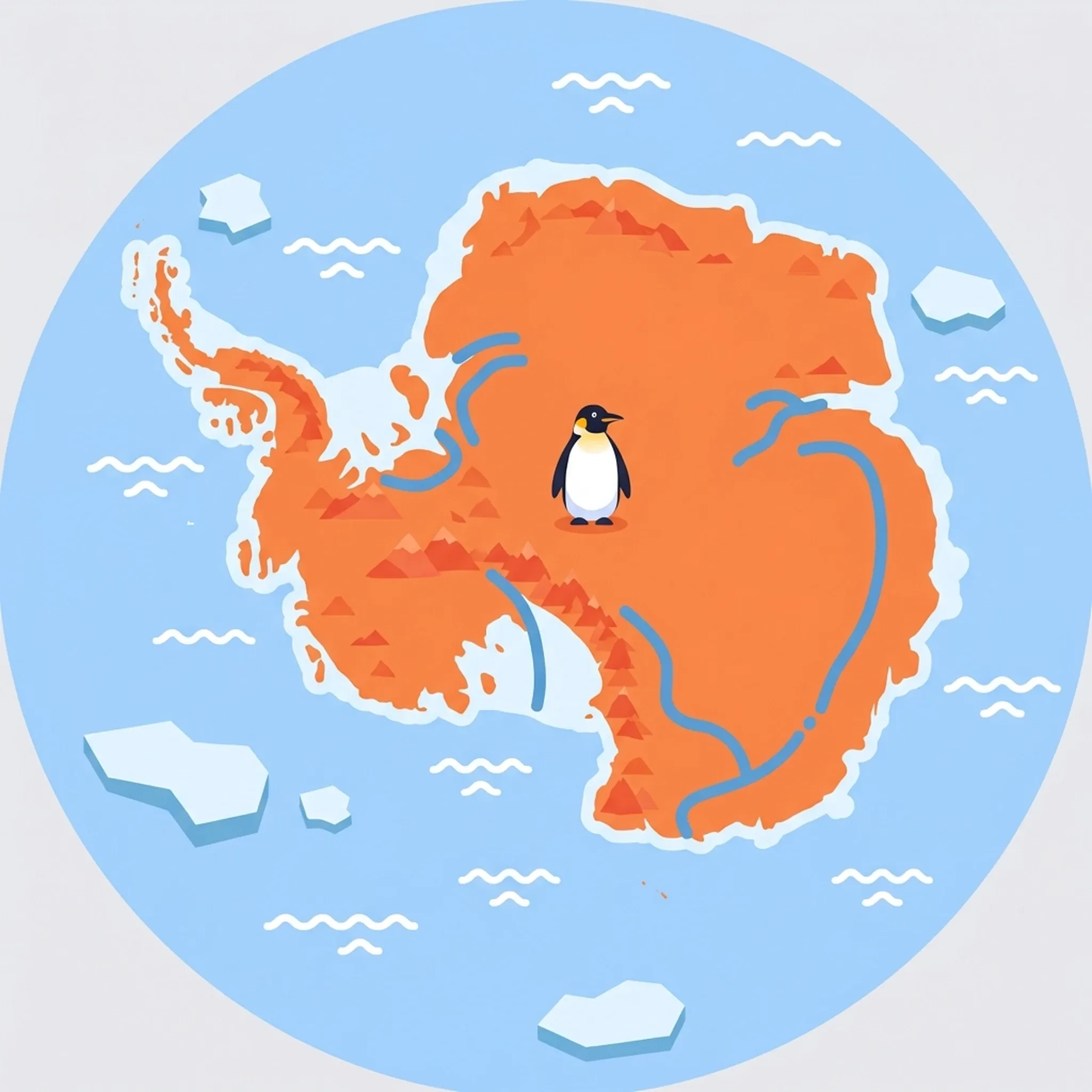
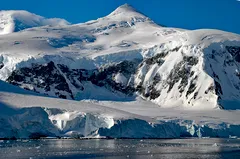
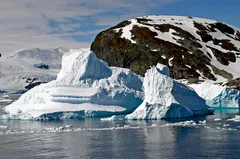
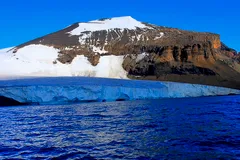
Antarctica is unlike anywhere else on Earth-a continent dedicated to peace and science, with no permanent human population, no cities, and no borders. For families with adventurous older children, it is the trip of a lifetime. The landscape is a dramatic canvas of white and blue, where massive glaciers calve into the sea and rugged mountains pierce the sky. Unlike a typical holiday, a visit here is an expedition; families live aboard reinforced ships, taking Zodiac boats to land on beaches teeming with life. The sheer scale of the scenery and the fearlessness of the wildlife-animals here have no land predators-make it a profoundly moving experience for young explorers.
Visiting Antarctica is physically active and educationally rich. Days are spent cruising through ice-choked channels, hiking up snowy slopes to view penguin colonies, and learning from onboard naturalists about glaciology and marine biology. While the Drake Passage crossing can be a hurdle, the reward is a pristine environment that feels like another planet. It teaches children respect for nature in a way no textbook can, offering encounters with humpback whales, leopard seals, and vast rookeries of gentoo, adelie, and chinstrap penguins.
Key Attractions
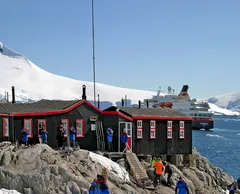
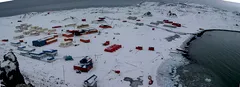
Your itinerary will be dictated by weather and ice, but certain stops are legendary. Port Lockroy is a highlight for families; this historic British base on Goudier Island serves as a living museum, the world's southernmost post office, and a gentoo penguin colony. Children can mail a postcard home from the "Penguin Post Office", explore the preserved 1950s science hut, and see how early researchers lived. It is one of the few places where you can buy souvenirs, with proceeds supporting Antarctic heritage conservation.
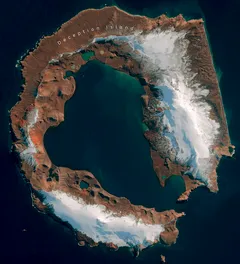
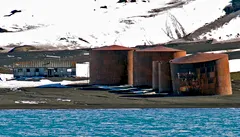
Another thrilling stop is Deception Island, the caldera of an active volcano. Ships sail through a narrow opening called Neptune's Bellows into the flooded crater. Inside, families can explore the eerie, rusted remains of an old whaling station at Whalers Bay and walk on black volcanic sand that steams in the cold air. Hardy souls sometimes dig "hot pools" in the shallows at Pendulum Cove to mix volcanic heat with freezing seawater, though simply walking the desolate, otherworldly landscape is an adventure in itself.
Practical Advice
Best time to visit: The season runs from November to March. Late December to January is best for families, as temperatures are warmest (around 0°C/32°F) and penguin chicks are hatching. February/March offers the best whale watching.
Family logistics: Most expedition ships have a minimum age requirement, typically between 8 and 12 years old. There are no hospitals, so comprehensive evacuation insurance is mandatory. Pack layers-the ship is warm, but the wind on deck is biting.
Food & Drink
Typical meal times: Breakfast is usually 7:30 am to 9:00 am, Lunch 12:30 pm to 2:00 pm, and Dinner 7:00 pm to 9:00 pm. Times vary based on shore landings.
Typical meal costs: Meals are included in the expedition fare. Optional shop snacks at Port Lockroy cost around $2–10 USD (approx. €1.85–9.30 EUR / £1.60–8 GBP).
Dietary requirements: Expedition ships are excellent at catering to dietary needs (vegetarian, gluten-free, allergies) if notified in advance, as supplies are stocked before departure and cannot be replenished.
Family-friendly dining: Ships typically offer buffet breakfasts and lunches with kid-friendly staples (pasta, potatoes, fruit). Dinners are often plated but chefs can usually prepare simple meals for children upon request.
Signature dishes:
- Expedition Hot Chocolate – A post-landing ritual; crew members often wait on the gangway with mugs of rich hot chocolate to warm you up after a cold Zodiac cruise.
- Antarctic Deck BBQ – Weather permitting, the galley team grills meats and vegetables on the open deck, allowing families to dine surrounded by glaciers and icebergs.
- Ship-baked Cookies – A staple of expedition life; fresh cookies are often served in the observation lounge during afternoon tea or after excursions.
- Captain's Farewell Dinner – A celebratory multi-course meal served on the final night, often featuring the chef's best creations and a
Age Suitability





Why this score?
Antarctica is the global benchmark for extreme wilderness, featuring the turbulent Drake Passage and a landscape of glaciers and icebergs with no permanent human settlements. Travelers engage in high-octane activities such as navigating volcanic calderas at Deception Island and conducting Zodiac landings in unpredictable, sub-zero conditions.
Why this score?
The region possesses virtually no land-based medical infrastructure or hospitals accessible to tourists. Although expedition ships carry basic medical supplies and doctors, any significant emergency requires a complex, weather-dependent air or sea evacuation to South America, representing the highest level of medical isolation.
Why this score?
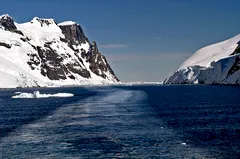
With roughly 100,000 annual visitors, Antarctica is a premier niche destination that attracts a fraction of the traffic seen in traditional global hubs. While world-famous sites like the Lemaire Channel and Port Lockroy draw high interest, the extreme cost and limited three-month season keep visitor numbers relatively low.

Antarctica is an exclusive destination. An expedition cruise typically costs $10,000–25,000 USD (approx. £7,800–19,500 GBP / €9,200–23,000 EUR) per person for a 10-14 day voyage. This price is all-inclusive of meals, accommodation, and excursions. Souvenirs at <a data-attraction-id="20714">Port Lockroy</a> are reasonably priced, with t-shirts costing around £25–30 (approx. $32–38 USD / €29–35 EUR).

Getting There & Around

Activities & Best Times

Adventure & Nature
ExcellentHiking, wildlife, outdoor exploration, ecotourism
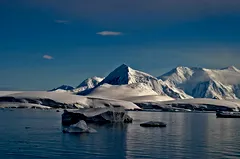
Antarctica is one of the world's premier wilderness and nature destinations. It offers unparalleled wildlife viewing (penguins, seals, whales), spectacular glacial and ice sheet landscapes, and extreme wilderness experiences. The Lemaire Channel, ice formations, and volcanic sites are world-class natural attractions. This is a severe underrating.

Beach & Sea
GoodBeach resorts, marine activities: diving, snorkelling, kite surfing, wind surfing, sailing
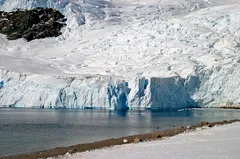
Offers unique coastal landing experiences at Whalers Bay and Neko Harbour with stunning glacial backdrops and marine wildlife. The season is restricted to the austral summer when sea ice permits vessel access and temperatures are relatively manageable.

City & Cultural
GoodUrban tourism, museums, historical sites, architecture
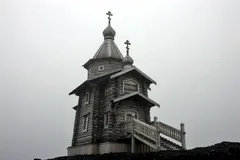
Features internationally significant polar 'settlements' like Port Lockroy and Villa Las Estrellas that offer a unique cultural perspective on human survival in extremes. These sites are only reachable during the summer cruise months; they are effectively closed to visitors during the long polar winter.

Educational & Exploratory
GoodLearning experiences, scientific sites, historical education
Antarctic expeditions typically include extensive educational programming with expert naturalists and scientists. Visits to research stations and interpretation of climate science, glaciology, and marine ecosystems are central to the experience. Upgrade from marginal to good.


Public Holidays & Calendar Next 12 months
Public holidays, festivals, cultural celebrations, and seasonal natural phenomena coming up in Antarctica over the next 12 months.
Loading holidays and events...

Travel Advisory
Antarctica is considered safe from human-centric security threats, though it remains a high-risk environment due to extreme weather and lack of facilities. A majority of agencies suggest standard safety awareness, though some North American agencies have recently elevated their caution levels to reflect environmental hazards.
Safety Topics
Traveller Advice (3 groups)

Antarctica is largely inaccessible for those with mobility issues. Infrastructure is non-existent, and shore landings typically involve difficult transfers to small rubber boats and walking on unstable ice or snow.

Most tourists visit via commercial cruises. It is highly recommended to book with reputable operators belonging to the International Association of Antarctica Tour Operators (IAATO) to ensure safety and environmental standards are met.

Expeditions require significant physical stamina and health clearance. Participants must be prepared to navigate rough terrain, climb in and out of small rafts, and endure extreme cold. Private expeditions must notify national authorities months in advance.
Agency Summaries
Travelers must minimize environmental impact and follow Antarctic Treaty guidelines. Preparation for extreme conditions and medical clearance are required before departure.
While no specific security threat exists, the environment is treacherous. Self-sufficiency, high physical fitness, and specialized polar insurance are critical for all visitors.
Guidance focuses on strict permit requirements for all expeditions and the necessity of comprehensive insurance. Travelers must adhere to environmental protection protocols.
Visitors should be extremely vigilant due to the continent's harsh and volatile weather, combined with a total lack of permanent infrastructure and emergency response capabilities.
Increased caution is recommended because of environmental hazards, unpredictable weather patterns, and the absence of U.S. consular or emergency medical services on the continent.
Information is provided for general guidance only and does not constitute travel, safety, medical, or legal advice. Conditions may change. Users are responsible for independently verifying information before travel.